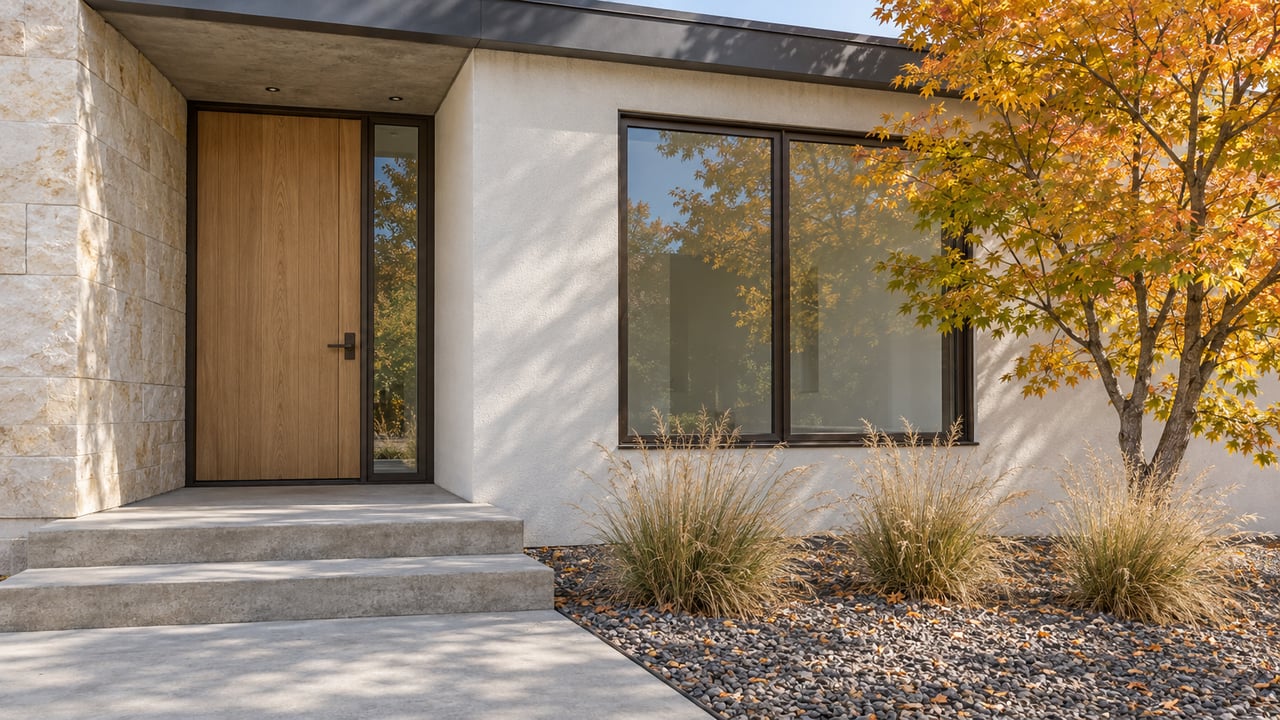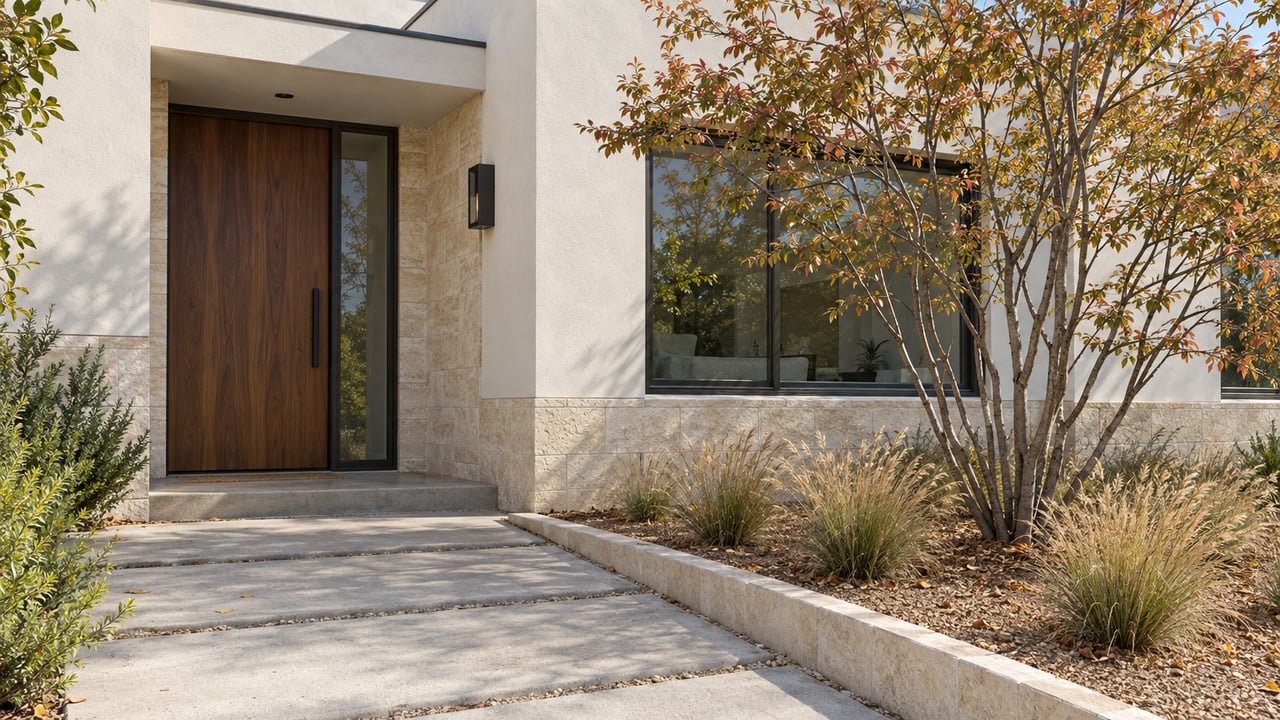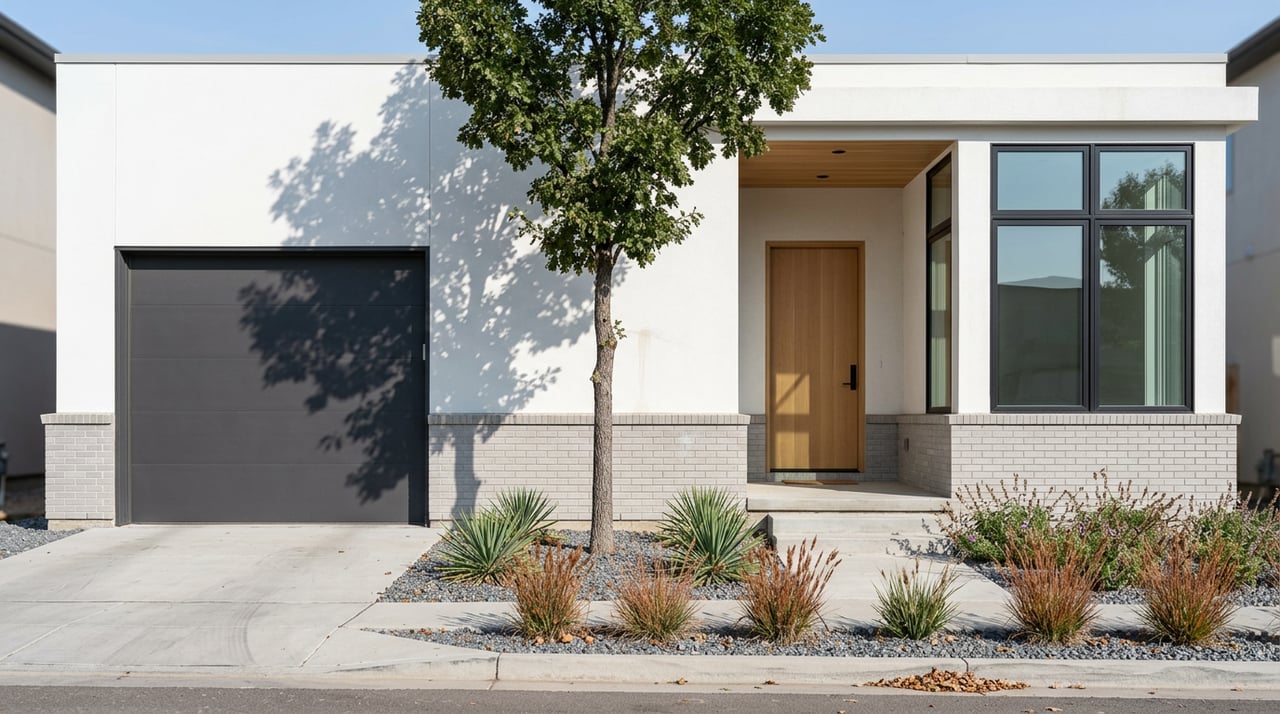
Picture two three-bedroom houses a few blocks apart in Northeast Denver, both listed at $650,000, both built within the last ten years. A buyer comparing them on price alone would call it a coin flip. Then the estimated tax lines on the two listings differ, and nothing about the square footage or the finish level explains the gap.
A factor that can explain the gap is whether a parcel sits inside a metro district. Across the corridor that includes Central Park, Beeler Park, Northfield and Green Valley Ranch, a parcel's district status can have a bigger effect on its annual tax bill than its sale price.
The Line Item That Doesn't Show Up On Every Denver Tax Bill
Colorado lets developers form metropolitan districts under Title 32 to borrow the money a new subdivision needs for roads, sewer lines and parks before a builder can break ground. The district repays that debt the way any government does: by taxing the property inside its own boundary. In Central Park, that entity is Westerly Creek Metropolitan District, working alongside Park Creek Metro District, which handled much of the original infrastructure financing. In Green Valley Ranch, it's the GVR Metropolitan District. None of these show up as a builder incentive or a line in an HOA packet. They show up as extra mills stacked on top of the county's regular levy, and the stack can be substantial.
Westerly Creek Metropolitan District's levy is split between debt service and day to day operations. That district tax sits on top of the city, county and school district taxes every other Denver homeowner already pays.
Compare that to a home with no district attached. Colorado Public Radio walked through the math on a $500,000 Denver home for the 2026 tax year: about $2,360 the year before under the state's temporary assessment discounts, rising to roughly $2,680 once those discounts expired. That $2,680 is the whole bill. In Central Park, a comparably priced home starts at that same baseline, then adds the district's mills on top of it.
Green Valley Ranch produced an even sharper version of the same story. Denver7 profiled a homeowner named Gail Bell in 2019 whose metro district was adding 90 mills to her bill, pushing her total to 167 mills against the roughly 77 mills most Denver homeowners were paying at the time. That's more than double, on a home that looked no different from her neighbors' from the street. "Had I known about the situation, I probably would have decided against purchasing here," she told Denver7. Her bill has since come down some as her district refinanced its bonds at a lower rate, which points to the other half of this story: the mills aren't fixed forever, but they aren't fixed on any timeline a buyer controls either.
Colorado's Metro-District Disclosure Requirements
Colorado has adopted disclosure requirements for metropolitan districts. Since January 1, 2024, a seller of residential property inside a metropolitan district organized after January 1, 2000 has been required to hand the buyer the district's own official website, under C.R.S. 38-35.7-111. Senate Bill 23-110 built the transparency framework a year earlier, requiring those websites to publish the mill levy cap, the debt ceiling and the schedule of board meetings. House Bill 25-1219, passed in 2025, went further for sellers of any residential property in a district, not just new construction: they now have to hand over a dollar figure estimate of the coming year's district taxes along with a current county tax certificate, not just a link.
The required website provides information for buyers to review, and sellers must also provide an estimate of the coming year's district taxes. Translating that estimate into a monthly figure may require additional calculation. The GVR Metropolitan District's own site is one example: it provides contact information, meeting schedules and budget documents. A buyer can use those materials alongside the seller's estimate to work out a monthly figure for a lender.
A Short List Before You Write An Offer
For any home in Central Park, Beeler Park, Northfield or Green Valley Ranch:
- Ask for the parcel's current tax certificate from the county, not the tax estimate the MLS pulled from an earlier year. Denver's own treasurer's office publishes current bills by parcel number.
- Ask for the metro district's website, which the seller is required to provide, and look specifically for the current mill levy and how many years remain on the debt service portion.
- If it's new construction, ask for the dollar amount estimate the seller now owes you under HB25-1219 rather than accepting a builder's early projection based on the value of raw land.
- Run that number by your lender before you're under contract. It changes what a monthly payment actually looks like on paper, not just what the sale price suggests.
Why This Matters More Here Than In Most Of Denver
Northeast Denver is exactly the part of the city where this question comes up constantly, because so much of its recent housing stock is master-planned new construction built after 2000, the cutoff the disclosure law itself uses. Beeler Park, one of Central Park's later build-out sections, sits entirely within the Westerly Creek boundary. Brookfield Residential's newest Central Park townhomes, sited at 47th and Beeler in the Northfield section, opened model homes in early 2026 with prices starting in the $600s. Every one of those homes carries the same district math. A buyer cross-shopping a Central Park new build against an older resale in Park Hill, or a home outside the district in Montbello, is comparing two different tax systems, not just two floor plans, whether that buyer realizes it or not.
A Few Questions Worth Settling Before You Shop
Does every home in Northeast Denver sit inside a metro district? No. Older sections of Park Hill and parts of Montbello built before these districts existed pay the standard city, county and school mix with no added layer. The district question applies to homes built inside a district's boundary, which in this corridor generally means Central Park, including Beeler Park and Northfield, and Green Valley Ranch.
Does the extra mill levy ever go away? Eventually. Metro district debt service mills are tied to a repayment schedule, and once the bonds are paid off that portion drops, though an operations mill often remains to fund ongoing services. The timeline depends on the district's original bond terms and any refinancing along the way, which is why asking for the specific numbers matters more than assuming a fixed answer.
Is a metro district the same thing as an HOA? No. An HOA is a private association collecting dues to enforce covenants and maintain shared amenities. A metro district is a public entity collecting property taxes to repay public infrastructure debt. Some communities layer both on the same home, which is part of why the tax certificate and the HOA disclosure packet need to be read as two separate documents rather than one.
A district's mill levy is one part of a home's overall affordability. Coordinating the property search with the financing side, so a district's actual mill levy gets factored into pre-approval before an offer, is exactly the kind of friction John Baldree handles for buyers working this corridor. If you're comparing homes in Central Park, Beeler Park, Northfield or Green Valley Ranch and want the real tax math before you write an offer, Let's Connect.
This article is general information, not legal, tax or financial advice. Consult a qualified professional about your situation.