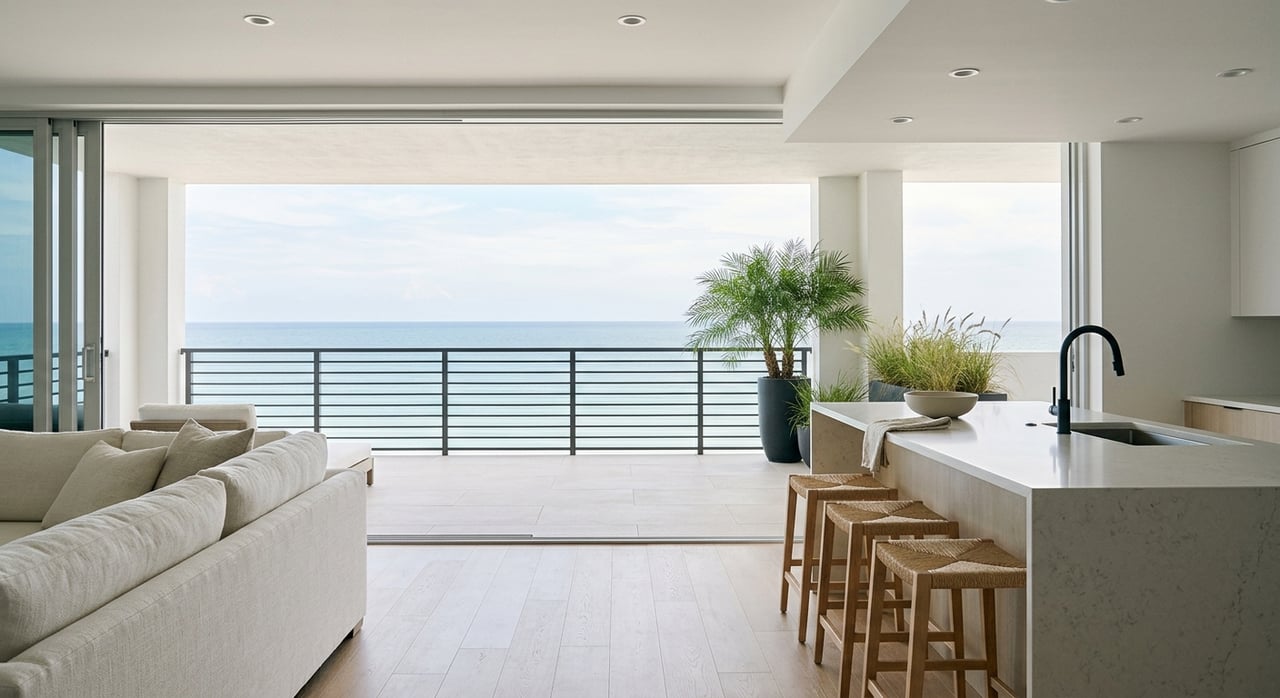
Dreaming about a place where you can trade your routine for Gulf air, beach walks, and easy weekends away? If you are considering a getaway home in Miramar Beach, you are probably looking for more than a pretty view. You want a home that feels enjoyable to use, practical to maintain, and flexible enough for your lifestyle. This guide will walk you through what ownership in Miramar Beach can look like, from everyday convenience to part-time rental considerations. Let’s dive in.
Why Miramar Beach Works for Getaway Ownership
Miramar Beach is one of South Walton’s 16 beach neighborhoods, and it benefits from the larger South Walton identity built around 26 miles of white-sand shoreline, Gulf access, and a year-round visitor economy. That matters if you want a second home in a place that feels active and supported rather than remote.
Walton County notes that tourism helps fund beach operations and public amenities, while county tourism materials describe the visitor economy as a major contributor to local jobs, wages, and spending. For you as an owner, that creates a setting where the beach lifestyle is matched by infrastructure, services, and a steady flow of visitors throughout the year.
What the Year Feels Like
One of the biggest questions second-home buyers ask is whether a beach community stays usable beyond summer. In Miramar Beach, the answer is yes. South Walton’s official seasonal guide describes the area as changing through the year rather than slowing to a stop after peak season.
January and February are generally mild and quieter. March brings warmer temperatures and more beach activity, while April and May are known for comfortable weather and lower humidity. June through August are the hottest and busiest months, and September stays warm while activity eases somewhat after the school calendar shifts.
October is known for warm water and strong sunset season. November and December have become increasingly popular for mild weather and holiday trips. Several regional beaches also have seasonal lifeguards from March through September, which reinforces spring and summer as the peak beach-use season.
How that seasonal pattern may shape your use
If you want a home that you can enjoy personally while also keeping future flexibility in mind, Miramar Beach offers a natural rhythm. Quieter winter and shoulder-season periods may feel especially appealing for owner stays, while late spring and summer tend to align with heavier visitor activity.
That does not guarantee rental performance, but it does help you think clearly about how you might divide personal use and guest use if part-time renting is part of your plan.
Beach Access Makes a Difference
A getaway home becomes much easier to enjoy when beach access is straightforward. Miramar Beach has several official public access points and strong public-beach infrastructure, which adds a practical layer to the lifestyle.
The Miramar Beach Regional Beach Access includes seasonal lifeguards, parking, beach-condition flags, ADA-accessible restrooms, an ADA-accessible boardwalk, ADA parking, and beach wheelchairs. Scenic Gulf Drive Regional Beach Access also offers seasonal lifeguards, restrooms, parking, and ADA access.
Walton County’s Miramar Park adds more than 200 parking spaces, restrooms, showers, three beach accesses, and more than 1,100 feet of public beach. Across South Walton more broadly, there are more than 50 beach and bay access locations along the shoreline, with lifeguards on several regional beaches between March and September.
Why public access matters to owners
For you, public access is about more than convenience on day one. It helps shape how easy the home feels to use over time, especially for quick weekend trips, family visits, or days when you want simple beach logistics instead of a full production.
When a destination has organized access, restrooms, parking, and support features already in place, it can make second-home ownership feel more realistic and less like a special-occasion-only property.
Everyday Living Feels Practical Here
A second home should feel easy to enjoy even when you are not spending every hour on the sand. Miramar Beach stands out because it has several commercial areas that support part-time living, which helps answer the question many buyers ask: can we actually use this place comfortably and often?
Grand Boulevard at Sandestin is described as a town center with shops, dining, office space, a park, hotels, and theater presence. Silver Sands Premium Outlets is a 110-store outlet center in Miramar Beach. The Market Shops offers a mix of boutiques, restaurants, coffee, juice, and other businesses, while Seascape Towne Centre adds another cluster of dining, entertainment, and live music.
This variety matters because a getaway home works best when daily needs and casual outings do not require a lot of planning. You want a place where errands, meals, and relaxed evenings feel close at hand.
Dining and weekly routines
Miramar Beach also supports the kind of everyday routine that helps a second home feel lived-in. Visit South Walton highlights Gulf-front and waterfront dining options such as Surf Hut and Pompano Joe’s, along with Another Broken Egg Cafe near Publix at Grand Boulevard.
The Grand Boulevard Farmers’ Market runs every Saturday year-round from 9 a.m. to 1 p.m. Small details like that can make a real difference if you picture yourself spending meaningful time in the home instead of treating it only as an occasional vacation stop.
Getting Around Beyond the Beach
The day-to-day experience in Miramar Beach is not limited to driving from your condo or house to the sand. The Scenic Highway 98 Trail adds another useful lifestyle feature for owners who want a more active and connected routine.
Visit South Walton describes it as a flat, paved 3-mile route used for biking, jogging, and longboarding. It also includes parking, restrooms, wheelchair access, and a path that runs right by Miramar Beach Access.
Why the trail matters for second-home buyers
Features like this can shape how often you use the property. If you enjoy morning walks, bike rides, or a quick outing without much planning, nearby trail access can make your home feel more versatile and more worth the trip.
In many second-home markets, the challenge is not just buying the right property. It is finding a place you will actually want to use in different ways across the year.
Renting Part-Time While Keeping Personal Use
Many second-home buyers want flexibility. You may plan to enjoy the home yourself for part of the year and consider short-term rentals at other times, where allowed. In Miramar Beach, that means paying close attention to Walton County rules and tax requirements.
Walton County treats stays of six months or less as short-term or transient rentals for tax purposes. For properties south of Choctawhatchee Bay, including the 32550 ZIP code, the Tourist Development Tax rate is 5% of rent plus required non-refundable fees.
The Walton County Clerk also states that Airbnb, HomeAway, and VRBO are not contracted to collect Walton County Tourist Development Tax on an owner’s behalf. That means the owner remains responsible for collection and remittance.
Registration and local compliance
Walton County says short-term vacation rentals require annual registration. The county’s FAQ also notes that short-term rentals are permitted in many zoning districts in unincorporated Walton County, but properties must meet standards related to compatibility, scale, parking, occupancy, and design.
The same county FAQ says condominiums are excluded from the county certification process, while still needing to satisfy applicable Florida requirements and tax registrations. If you are exploring condo ownership versus a detached home, that distinction is worth understanding early.
A note on homestead use
Walton County also warns that for owner-occupied homestead properties, renting more than 30 days per year in two consecutive years can trigger homestead abandonment. If you are buying with any plan that includes occasional rental use, it is wise to look carefully at how the property will be used and classified.
The big takeaway is simple: Miramar Beach can offer flexibility, but you should not assume rental use is automatic or risk-free. Local rules matter, and getting clear on them upfront can save you time and frustration later.
What to Look for in a Getaway Home
The best getaway home for you depends on how you expect to use it. Some buyers want low-maintenance living close to beach access and dining, while others prioritize more space, different ownership structures, or a property that may support selective rental use.
As you compare options, it helps to focus on practical questions:
- How easy is the beach access from the property?
- Will you use the home mainly in peak season, shoulder season, or throughout the year?
- Do nearby dining, shopping, and everyday services support the way you want to spend time there?
- If rental use matters, what county registration, tax, and property-specific rules apply?
- Does the property type fit your goals for maintenance, flexibility, and personal use?
These questions can help you move beyond the dream phase and evaluate homes in a way that matches your real lifestyle.
Why Miramar Beach Appeals to Second-Home Buyers
At its best, owning a getaway home in Miramar Beach is about flexibility. You get access to a beach community with public infrastructure, trail access, shopping and dining clusters, and a seasonal rhythm that supports both personal escapes and year-round usability.
That combination gives Miramar Beach broad appeal for buyers who want a property that feels fun but also workable. It is not just a place to visit for a week. For many owners, it can be a comfortable beach base that fits into real life.
If you are exploring second-home options on the Emerald Coast, the right guidance can help you evaluate not only the property itself, but also how it fits your financing, ownership goals, and long-term plans. When you are ready to talk through your options in Miramar Beach, connect with John Baldree.
FAQs
What makes Miramar Beach practical for a getaway home?
- Miramar Beach offers public beach access points, shopping and dining clusters, trail access, and year-round activity that can make part-time ownership easier to enjoy.
When is Miramar Beach busiest for second-home use?
- South Walton’s seasonal guide describes late spring and summer as the hottest and busiest period, with March through September also aligning with seasonal lifeguard coverage at several regional beaches.
Are there public beach access options in Miramar Beach?
- Yes. Miramar Beach Regional Beach Access, Scenic Gulf Drive Regional Beach Access, and Miramar Park all provide public beach access and support features such as parking, restrooms, and seasonal lifeguards at certain locations.
Can you rent out a getaway home in Miramar Beach part-time?
- In many cases, short-term rentals are permitted in unincorporated Walton County, but owners must follow local registration, zoning, occupancy, parking, design, and tax requirements.
What tax rules apply to short-term rentals in Miramar Beach?
- Walton County treats stays of six months or less as short-term or transient rentals for tax purposes, and properties in the 32550 ZIP code south of the bay are subject to a 5% Tourist Development Tax on rent plus required non-refundable fees.
Do booking platforms collect Walton County tourist tax for Miramar Beach owners?
- According to the Walton County Clerk, Airbnb, HomeAway, and VRBO are not contracted to collect Walton County Tourist Development Tax on an owner’s behalf, so the owner remains responsible for collection and remittance.
Does Walton County require vacation rental registration for Miramar Beach properties?
- Yes. Walton County says short-term vacation rentals require annual registration, although condominiums are excluded from the county certification process and still must meet applicable Florida requirements and tax registrations.
Why does location within Miramar Beach matter for a second home?
- Location can affect how easily you reach the beach, shops, dining, and trails, which can make a major difference in how often and how comfortably you use the home.