Did last night’s storm bury your sidewalk again? You’re not alone. In East Denver, keeping sidewalks and curb ramps clear is part of being a good neighbor and it’s also a city requirement. In this quick guide, you’ll learn what you must clear, how soon you need to do it, how enforcement works, and a simple plan for corner lots. Let’s dive in.
What Denver requires
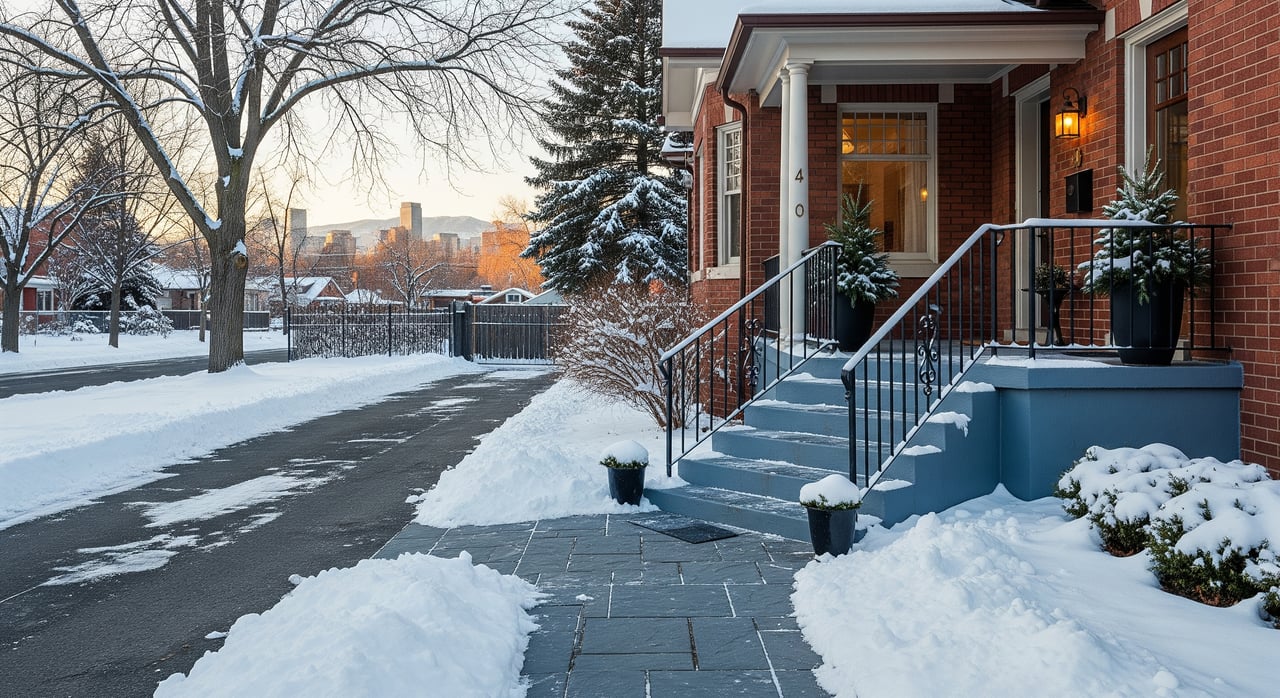
Denver expects property owners or occupants to remove snow and ice from sidewalks that touch their property. This includes the sidewalk in front of your home and any curb or ADA ramps next to your lot. The practical deadline is to clear it by the next day after the snow stops — think about a 24-hour window.
The goal is simple public safety. Clear sidewalks keep routes accessible for people walking to transit, school, work, and for neighbors using mobility devices. Leaving snow and ice can push people into the street or cause falls.
What you must clear
- The full width of the sidewalk along your property line.
- Curb ramps and ADA ramps at intersections next to your property, including the flared sides.
- The pedestrian path across your driveway apron so there is a continuous walkway.
- Any bus stop landing area that directly abuts your lot.
Aim for a smooth, continuous path at least 36 inches wide. A 42 to 48 inch path is more comfortable for wheelchair users and strollers.
When and how to clear
Start as soon as it’s safe after the snowfall ends. Plan to hit it again if street plows push snow back onto your sidewalk or into the ramp area. Keep a shovel and de‑icer handy so you can work in shorter sessions rather than waiting for heavy buildup.
Use a push shovel for lighter snow and an ice chopper for compacted areas. Apply de‑icer sparingly and follow the label. Sand can add traction without chemical runoff.
Corner-lot plan that works
Corner lots have more to do, so use a simple order of operations:
Identify your segments. Map the sidewalks that touch both street fronts and note which corner ramps are next to your lot. If a ramp sits between properties, responsibility may be shared.
Prioritize the main route. First clear the path from your entry to the nearest crosswalk and curb ramp. Then clear the second street frontage, then the ramps, then your driveway apron.
Place piles smartly. Stack snow on your lawn or set-back areas. Do not pile on the sidewalk, in the street, on the curb ramp, or where it blocks a crosswalk or fire hydrant.
Coordinate with neighbors. Agree on who tackles the shared corner ramp after each storm. If you cannot coordinate and it’s still blocked after the next-day window, anyone can report it to 311 for inspection.
Plan the season. Before winter, stage tools near your most-used door, stock de‑icer, and line up a contractor or helper if health or travel may keep you from timely clearing.
Reporting and enforcement
If a sidewalk or ramp is not cleared after the next-day window, residents can report it to Denver 311 by phone or through the app. The city can notify the owner, issue a citation, or arrange removal and bill the owner. Fine amounts and exact procedures can change, so check with 311 if you need current details.
Smart safety and materials
- Warm up and use your legs to push snow rather than lifting it.
- Take short breaks and stay hydrated.
- Use pet- and plant-friendly products when possible. Calcium chloride works in colder temps but can harm concrete and landscaping if overused.
- Revisit shaded areas later in the day. These spots refreeze and become slick.
Avoiding common pitfalls
- Narrow channels are not enough. Clear a single, straight path the entire length of the sidewalk.
- Don’t bury the ramp. Keep the ramp and its sides clear so wheelchairs and strollers can enter the crosswalk.
- Watch the driveway apron. Make sure the pedestrian path across the driveway remains flat and ice-free.
- After plows pass, do a quick re-clear so windrows don’t block the walkway or ramps.
Winter prep checklist
- Shovel or snow pusher, ice scraper, traction sand, and de‑icer.
- Extra gloves and a headlamp for early mornings or evening refreezes.
- A plan for travel days so someone clears your sidewalk within the next-day window.
- Neighbor contact info if you share a corner ramp.
Local help when you need it
Staying on top of snow rules protects your neighbors, reduces liability risk, and keeps you in compliance. If you’re planning a move in East Denver this winter, you can count on practical guidance on home care, timing, and financing to keep everything on track.
Have questions about winter upkeep, prepping to list, or buying in East Denver? Let’s talk. Connect with Unknown Company to get a plan in place.
FAQs
What is the snow clearing deadline in East Denver?
- You are expected to clear sidewalks and adjacent curb ramps by the next day after snowfall stops, roughly within 24 hours.
Which areas am I responsible for as a homeowner?
- Clear the entire sidewalk bordering your lot, the driveway apron crossing, and any curb or ADA ramps next to your property. Keep a continuous, passable path.
How wide should I clear the sidewalk for accessibility?
- Aim for at least 36 inches of clear width. A 42 to 48 inch path is more comfortable for wheelchairs, strollers, and two-way foot traffic.
What should I do if a city plow pushes snow back onto my sidewalk?
- Re-clear the sidewalk and ramps as soon as practical. If it happens repeatedly and creates hazards, report the issue to 311 for coordination.
How do I report an uncleared sidewalk or blocked curb ramp?
- Use Denver 311 by phone or the app to request an inspection. 311 is the city’s official reporting channel for snow and ice issues.