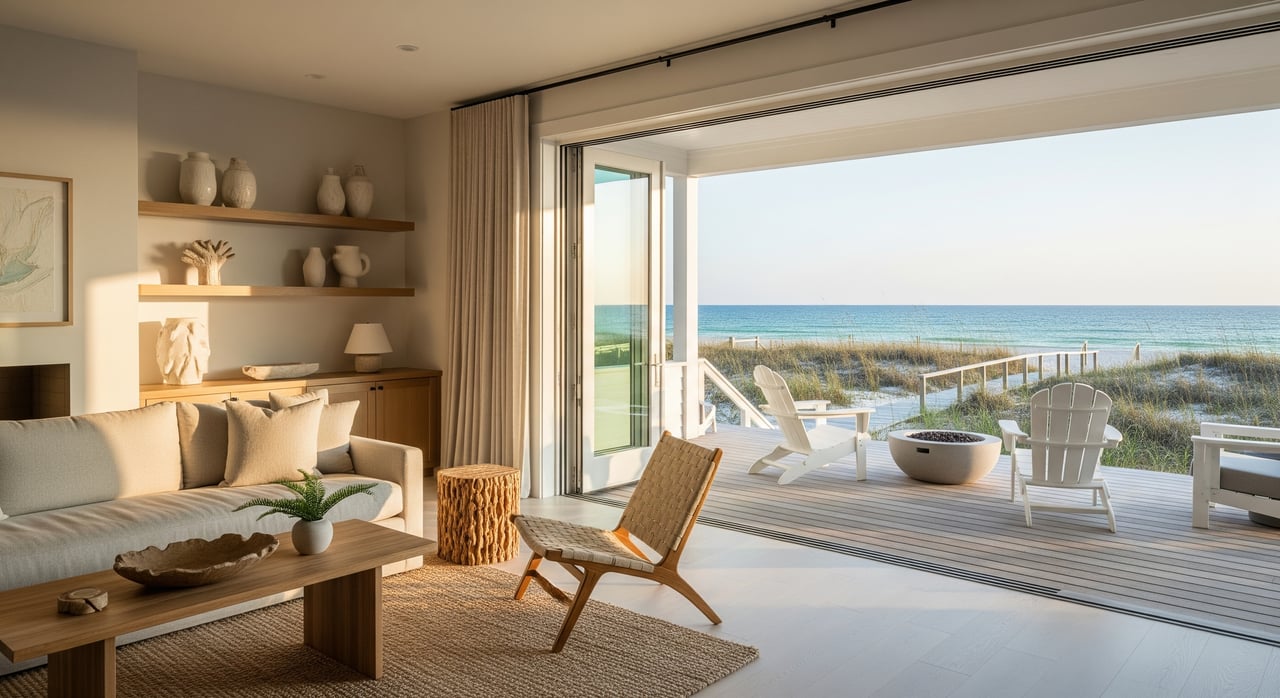
Want five-star reviews and steady bookings on 30A West, without the stress between stays? You’re not alone. Setting up a short-term rental in Walton County takes more than beachy decor. You need clear rules, durable furnishings, reliable vendors, and a guest experience that delivers every time. This guide walks you through a 30A West setup that guests love and that you can manage with confidence. Let’s dive in.
Confirm rules and taxes before listing
Before you buy furniture or take photos, confirm what is allowed for your property and what is required to rent legally in Walton County.
- Walton County Planning & Development and Code Enforcement: permits, business tax receipt, occupancy and noise rules, and any registration or inspection requirements.
- Walton County Tourist Development Council and county tax office: transient rental tax and filing steps.
- Florida Department of Revenue: state sales and transient rental taxes and filing frequency.
- Your 30A West HOA or property-specific CCRs: rental minimums, maximum occupancy, parking limits, amenity access, and any guest registration steps.
- Local fire or building department: smoke and CO detector placement, egress requirements, and pool safety rules.
Double-check these details for your exact unit or lot. Confirm whether short-term rentals are allowed, renewal cycles for permits, minimum stay rules, occupancy limits, parking allocations, and quiet hours. Put the final rules in your house manual and guest messages so nothing is a surprise.
Match setup to 30A seasons
30A West is seasonal. Peak demand runs late spring through summer, with strong shoulder seasons around spring break and fall events. Expect occupancy swings and plan operations around them.
- Stock extra linens and consumables for peak months.
- Shift minimum stays longer for holidays and high-demand weekends.
- Plan staffing to reduce back-to-back turnover pressure in summer.
- Adjust pricing for events and last-minute gaps as bookings develop.
Furnish for beach durability
Choose materials and layouts that look great and hold up to sand, salt, and sunscreen.
Living room
- Comfortable sofa, plus a sleeper sofa if you want more capacity.
- 1–2 accent chairs, coffee table, and side tables with lamps.
- TV with streaming capability and simple instructions; use a universal remote or app guidance.
- Storage bench or rack for shoes and beach bags, plus wall hooks for wet towels.
- Durable rugs that clean easily.
Kitchen and dining
- Fully equipped kitchen with pots, pans, chef’s knife, cutting board, mixing bowls, coffee maker, toaster, microwave, and blender.
- Dinnerware and glassware for at least 20 percent over maximum occupancy to prevent mid-stay shortages.
- Small starter kit of coffee, sugar, oil, salt, and pepper.
- Dining seating that matches the number of sleepers you advertise.
Bedrooms
- High-quality mattresses with mattress protectors on every bed.
- Neutral, comfortable bedding and pillow protectors.
- Nightstands with lamps and easy phone charging access.
- Blackout curtains or blinds for better sleep.
- Dresser or hanging space and luggage racks. Keep a labeled spare linen set in a dedicated closet.
Bathrooms
- At least one complete linen set per sleeping spot, plus one spare set per bed.
- Extra hooks and towel bars, shower liners, and anti-slip mats.
- Starter toiletries. Refillable dispensers keep waste down and are easier to maintain.
- If possible, add an outdoor shower or clearly sign the nearest rinse station to keep sand outside.
Outdoor and beach
- Outdoor seating and a dining table suitable for salty air. Add a grill if your HOA allows it.
- Beach chairs, umbrella, cooler, and a few toys. Focus on quality and clearly state replacement responsibility.
- Lockable storage for beach gear to prevent loss and clutter.
- Exterior lighting and a safe, well-marked path from parking to the door.
Safety and accessibility
- Smoke detectors in required locations, a CO detector if you have fuel appliances, and a visible fire extinguisher.
- First aid kit, flashlight, and an emergency contact sheet.
- Consider small accessibility touches such as a portable ramp or grab bars if you host older guests.
Build linen and cleaning systems
Great reviews come from clean, consistent turnovers. Set up your home to make cleaning easier and faster.
- Keep 2 complete sheet sets per bed. In peak season, 3 sets reduce stress.
- Stock bath towels plus separate beach towels at 1.5–2 times expected guest count.
- Use quick-dry performance towels that handle humidity well.
- Label spare linens and store in sealed bins to protect from moisture and pests.
- Decide on laundry strategy: outsource to a linen service or use high-capacity machines with clear instructions.
Owner closet
Create a locked owner closet for items that should not be used by guests.
- Extra linens and blankets in sealed bins.
- Emergency kit, batteries, and basic tools.
- Copies of permits, HOA rules, and insurance certificates kept secure.
- Spare keys and vendor access credentials with an access log.
- Seasonal or overflow beach gear, clearly labeled.
Housekeeping SOP for every turnover
- Test smoke and CO detectors on a routine schedule and replace batteries as needed.
- Strip beds, check for stains, and flag items for deep cleaning or replacement.
- Refill consumables to a set baseline.
- Sanitize high-touch surfaces, clean appliances, and refresh bathroom grout.
- Empty lint traps and check vents.
- Final inspection: confirm beach gear inventory, towel counts, lock and thermostat function, Wi-Fi, TVs, and major appliances.
- Photograph rooms after cleaning for quality control.
Use smart entry and Wi‑Fi
Make arrival simple and secure.
- Install a keyless smart lock with unique, time-limited guest codes and an audit trail.
- Monitor battery health, keep one manual backup key, and include clear check-in instructions.
- Connect locks to your property management system if you use one and rotate codes for every stay.
- Provide reliable high-speed Wi‑Fi with a guest network. Post the password in the home and guestbook.
- Consider mesh Wi‑Fi for larger homes and a smart thermostat with guest comfort settings.
- Add simple troubleshooting steps in the guestbook for router resets and device help.
Invest in photos and clarity
Clear, accurate presentation reduces cancellations and negative reviews.
- Hire a photographer experienced in vacation rentals, including exterior and twilight shots.
- Stage each room, make beds, and remove personal items.
- Include a floor plan and explain sleeping arrangements plainly.
- If safe and allowed, consider drone photos to show beach proximity and neighborhood context.
- Use captions that highlight what matters most to families and beachgoers. Do not overpromise.
Message guests at key moments
A simple, consistent messaging cadence sets expectations and prevents issues.
- Pre-booking: automated reply with occupancy, parking, pet rules, and deposit details.
- Booking confirmation: reservation details, payment and tax reminders, and a link to house rules.
- Pre-arrival, 3–7 days out: keyless code, parking info, beach access guidance, Wi‑Fi, local tips, and an arrival time request.
- Day-of arrival: final instructions, any gate codes, late arrival steps, emergency contacts, and an issue-reporting path.
- Mid-stay check-in: quick note to confirm all is well and offer help with local recommendations.
- Pre-checkout, 24–48 hours out: checkout time and a simple checklist for linens, trash, and lockup.
- Post-stay: thank you message, review request, and reminder of any damage resolution timeline.
Keep the tone friendly and solution-focused. Use SMS and email for urgent messages and make rules like parking and quiet hours easy to find.
Price for demand and lead time
Use a seasonal base plan and adjust as bookings develop.
- Set peak, shoulder, and off-season base rates with matching minimum night rules.
- Raise or lower prices based on local events and remaining availability.
- Increase last-minute rates when occupancy is high, and offer short midweek stays to fill gaps.
- Track a competitive set of 5–10 similar 30A West listings and update rates monthly.
- Measure occupancy, average daily rate, and RevPAR, then refine your rules quarterly.
- Consider dynamic pricing tools that pull local comps to reduce manual work.
Coordinate vendors with backups
Reliable vendors keep your calendar full and your reviews strong.
- Build a roster with primary and backup cleaners, laundry, handyman, plumber, electrician, pool or landscaping, and pest control.
- Write SOPs for each vendor with photo standards and restocking triggers.
- Use a shared calendar or property management system with automatic turnover tasks and buffer time after long stays.
- Create an emergency response plan with a contact tree and spending limits for urgent repairs.
- Standardize invoicing and payments. Consider seasonal agreements for peak months.
- Do periodic spot checks and require post-clean photos for every turnover.
Protect with insurance and safety
Cover your risk and set expectations clearly for a beach environment.
- Purchase a short-term rental policy or a commercial endorsement. Typical homeowner policies often exclude short-term rentals.
- Consider additional liability or an umbrella policy, especially if you have a pool or extensive outdoor equipment.
- Require guests to accept house rules and a damage deposit or security hold. Platform guarantees are not a substitute for insurance.
- Follow pool safety best practices, improve lighting for night arrivals, and post information about beach hazards like rip currents.
Add small beach‑friendly touches
Little extras go a long way on 30A West.
- Stock beach towels, chairs, and an umbrella. Add a sand-removal mat and an outdoor shower if possible.
- Provide storage for wet gear and a waterproof key pouch for beach days.
- For families, offer a pack-n-play, high chair, and baby gates. Keep everything clean and in good repair.
- If you allow pets, add bowls, a pet bed, waste bags, and clear rules and fees.
- Create a local guidebook with grocery stores, restaurants, pharmacies, emergency numbers, and beach access tips.
Quick setup checklist
- Confirm legal and HOA permissions and register and file taxes.
- Decide bed counts, add protectors, and buy 2–3 linen sets per sleeping spot.
- Install a keyless smart lock with time-limited codes and an audit log.
- Hire a professional photographer and stage for beach lifestyle photos.
- Build a cleaning SOP and hire reliable cleaners with a backup crew.
- Create guest messaging automations for pre-arrival, check-in, mid-stay, checkout, and post-stay.
- Set a seasonal pricing calendar and layer in a dynamic pricing tool.
- Assemble a vendor roster with emergency contacts and written SOPs.
- Buy essential safety equipment and secure the right insurance.
Decide on management help
If you are local and can respond within 30 to 120 minutes, self-management with solid SOPs can work well. If you are remote or cannot respond quickly in peak season, a local manager or co-host can reduce risk and improve reviews. The right partner adds reliable cleaners, better vendor access, and on-the-ground problem solving.
If you are buying or optimizing a 30A West rental, you can get more value by aligning purchase decisions, financing, and rental setup from day one. For local guidance on neighborhoods and HOA rules that fit your rental strategy, revenue positioning, vendor introductions, and financing coordination, connect with John Baldree.
FAQs
Do I need a permit to rent my 30A West home?
- Most owners will need to complete county registration steps and meet HOA requirements. Confirm details with Walton County Planning & Development, the Tourist Development Council, the Florida Department of Revenue, and your HOA before listing.
What minimum night stays work best on 30A West?
- Use seasonal minimums. Set longer minimums for peak season, holidays, and busy weekends, and shorter midweek stays during shoulder and off seasons to fill gaps.
How should I handle guest damage in a 30A West rental?
- Set a clear damage policy and security hold in your house rules, use your booking platform’s resolution process when needed, and contact your insurer if damage exceeds your threshold.
How do I prevent neighbor complaints near the beach?
- Make parking, trash, and quiet hours highly visible in the listing, guestbook, and arrival messages. Respond quickly to issues and keep communication open with your HOA.
Should I hire a property manager or self-manage?
- If you are remote or cannot respond within a couple of hours, a local manager or co-host reduces risk and can improve occupancy and reviews. If you prefer to self-manage, use strong SOPs and reliable backups, and consider local support on call.