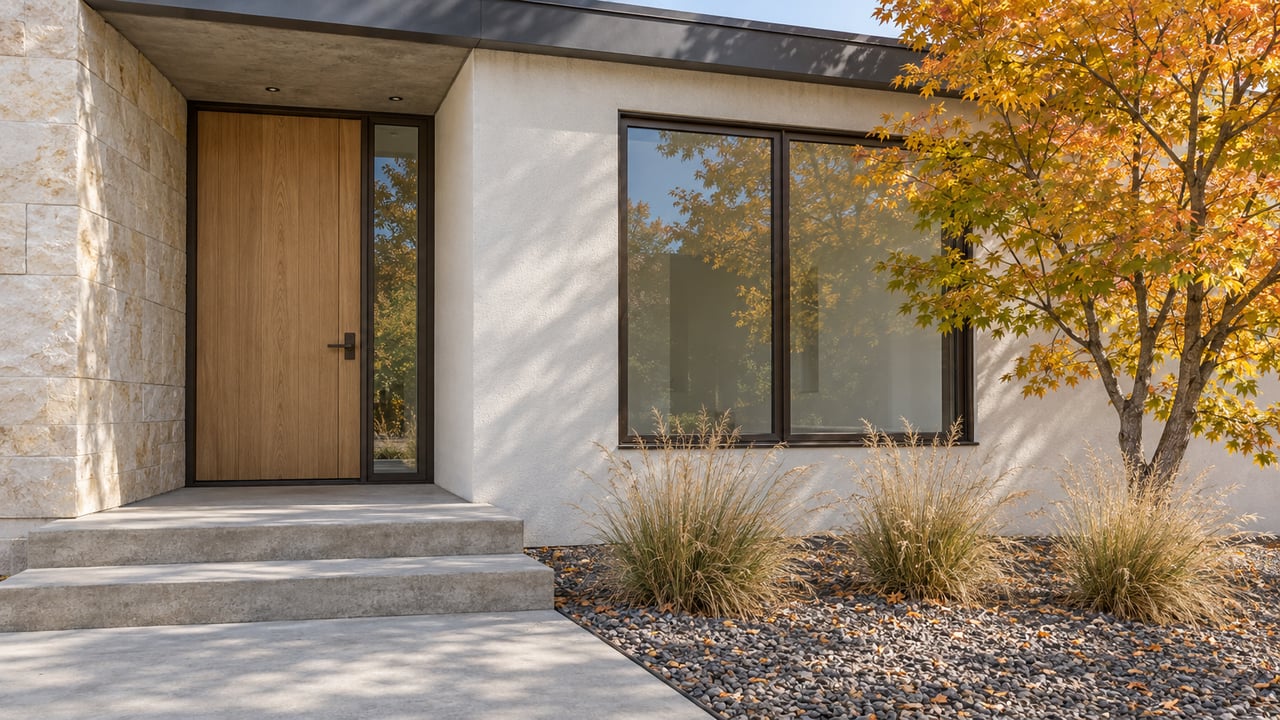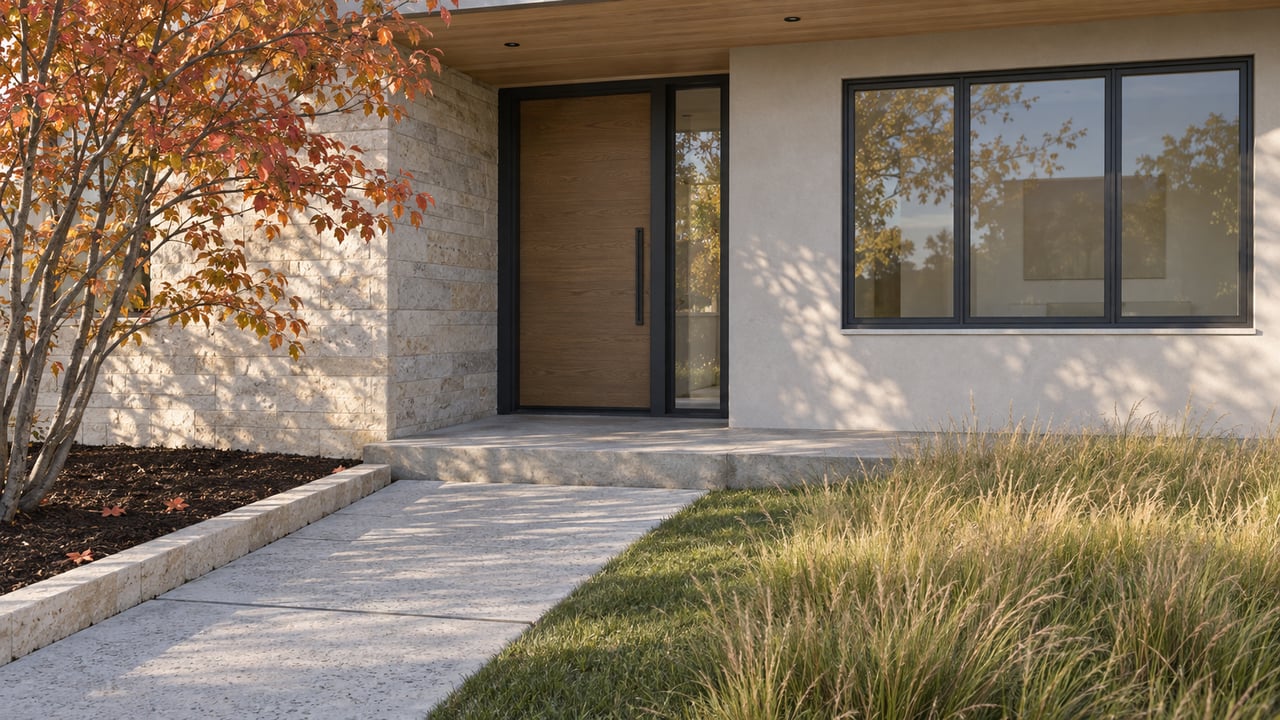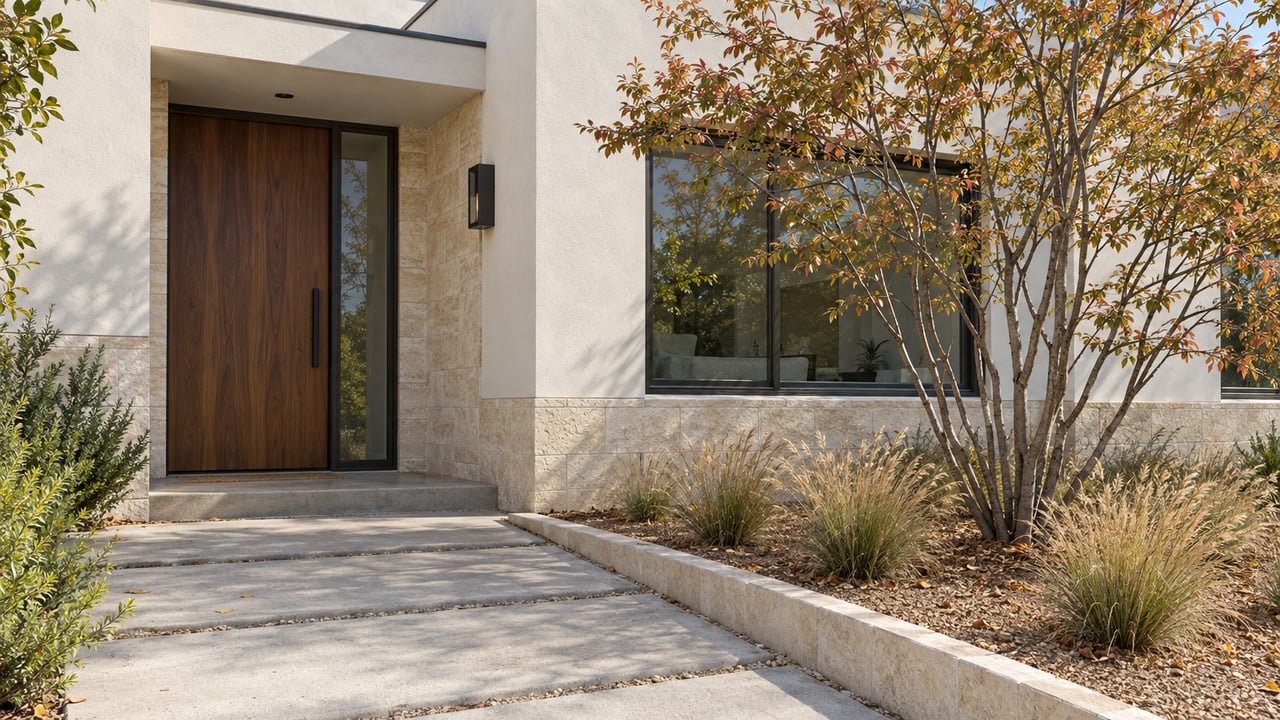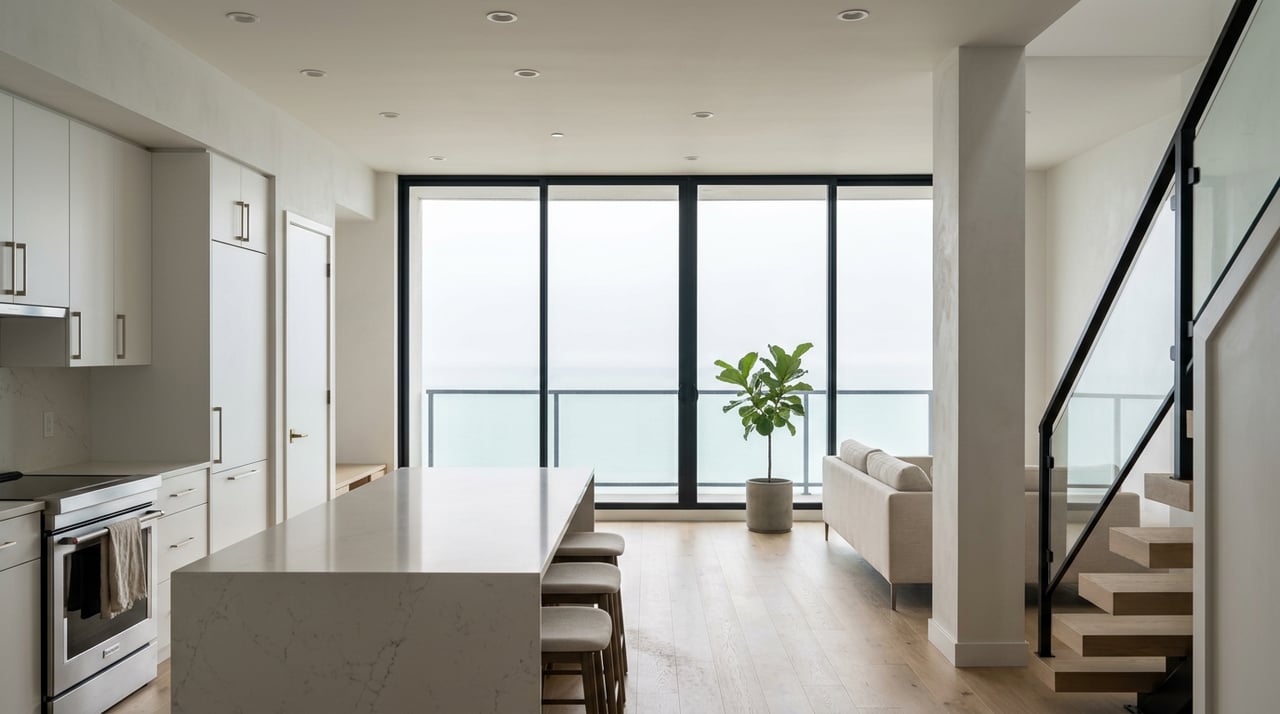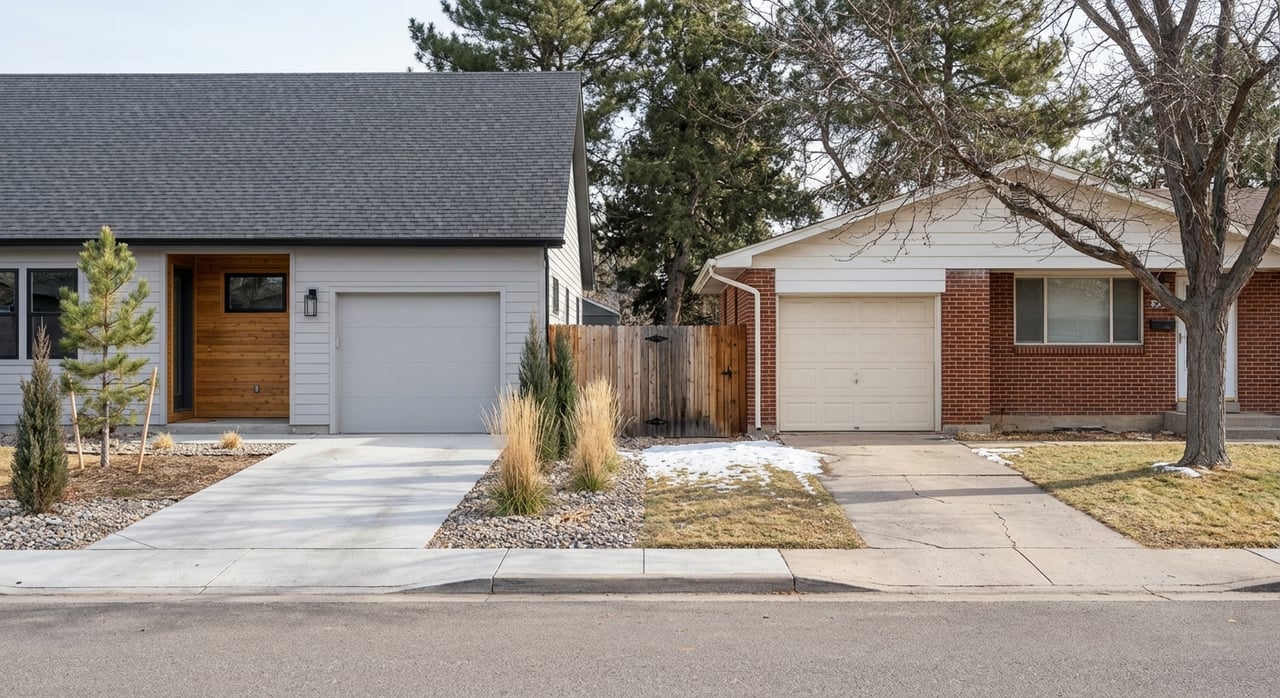
Should you buy a brand-new home or an established resale in Northeast Denver? It is a common question, especially if you are comparing neighborhoods like Thornton, Northglenn, Commerce City, Federal Heights, Montbello, and Green Valley Ranch. You want the right fit for your budget, your timeline, and your daily life. In this guide, you will see how prices, monthly costs, timelines, risks, and incentives stack up so you can move forward with clarity. Let’s dive in.
Northeast Denver at a glance
This guide focuses on Northeast Denver and nearby Adams County suburbs where many buyers shop across city lines: Thornton, Northglenn, Commerce City, and Federal Heights, plus Denver neighborhoods like Montbello and Green Valley Ranch.
As a quick benchmark, public market snapshots showed the Adams County median listing price around $495,000 as of Dec 2025. New construction across the Denver metro typically lists higher. A recent metro guide reported a median listed new-build price near $599,000 in Feb 2026, with smaller floor plans in newer Thornton and Commerce City communities often starting in the mid $400,000s and larger single-family homes reaching $700,000 to $900,000 or more. You can review that metro overview in the Denver new-home market guide for context on pricing, HOA ranges, and timelines. See the Denver new-home market benchmarks.
Quick answer: who should buy what
- Buy new construction if you want predictable maintenance, modern layouts, energy‑efficient systems, and the option to pick finishes. You also value a builder warranty and are open to paying above the area median for those advantages.
- Buy resale if you want a wider price range, mature landscaping, larger or more unique lots, and the ability to close fast. You prefer negotiating repairs after inspection rather than relying on a builder’s warranty process.
Price and monthly costs
Purchase price
- Resale: Adams County’s median listing price was about $495,000 in Dec 2025. You will find a broad spread by condition, age, and location within the Northeast corridor.
- New construction: The Denver metro’s median listed new-build price hovered near $599,000 in Feb 2026. Many NE-area communities start in the mid $400,000s for smaller homes and rise with size and lot position. Review current new-home pricing context.
HOA dues
- Newer master-planned communities often have an HOA that maintains common areas and amenities. Typical suburban HOA ranges are about $70 to $200 per month, with amenity-rich master plans higher. Always confirm the actual fee and what it covers. The Denver new-home guide explains common ranges.
- Resales can vary. Many older single-family neighborhoods have modest or no HOA. Townhomes and condos often carry higher monthly dues that cover more services.
Taxes and insurance
- New homes are often assessed at or near current market values and may reflect higher initial assessments. Insurance premiums can differ by age, materials, and roof condition. Check the county assessor and your insurer for property-specific numbers.
Timeline and certainty
New construction
- Move‑in ready inventory (spec homes) can often close in 30 to 120 days, depending on your loan and the builder’s schedule.
- To‑be‑built homes take longer. In the Denver metro, plan for several months to over a year based on build stage, weather, and permitting. Builders post estimated completion dates and “move‑in ready” designations on community pages. See an example model listing and details.
Resale
- Most resale purchases close within 30 to 45 days after going under contract, sometimes faster with cash or a streamlined loan.
Maintenance, warranty, and risk
New construction
- Many builders provide a 1‑2‑10 style warranty: typically one year for workmanship, two years for systems, and ten years for structural coverage through an administered program. Always read the exact warranty document and note reporting deadlines. Learn how 1‑2‑10 programs generally work.
- Standard finishes today often include quartz counters, stainless appliances, luxury vinyl plank, and smart thermostats, depending on the collection. Confirm standard features and any upgrade packages with the builder.
Resale
- You will schedule a general home inspection and can add roof, sewer, or other specialized inspections. You can negotiate repairs or credits with the seller based on findings. That shifts some risk away from you at closing.
Financing and builder incentives
Builders frequently offer incentives such as temporary mortgage buydowns (2/1 or 3/2/1), closing cost credits with a preferred lender, or limited-time price or option promotions. These can meaningfully improve your monthly payment, especially in the first years of ownership.
Important note: Most builder-paid incentives count as “interested‑party contributions” under lending rules and must stay within program limits. Fannie Mae’s Selling Guide explains how IPCs work and how appraisers and underwriters treat them. Always coordinate these offers with your lender so the incentive structure fits your loan program without surprises. Read Fannie Mae’s guidance on IPCs.
Consider how each option affects your long-term cost:
- Temporary buydown: Lower payments in the first years, then a reset. Good if you expect income growth or plan to refinance.
- Permanent points: Pay more upfront for a lasting rate reduction. Useful if you plan to hold the home longer.
- Straight price reduction: Reduces your base loan amount and can help with appraisal.
If you want one conversation for both the mortgage plan and the home search, you can streamline everything by working with one point of contact.
Commute and location fit
Many Northeast Denver and Adams County buyers care about access to the N Line and major corridors. The RTD N Line links to Denver Union Station, and stations serve Commerce City and Thornton. City resources note that the Commerce City/72nd station connects riders south toward Union Station, and the north end of the line serves Thornton. Check the current schedule to confirm exact trip times for your commute. Review local transit and N Line info.
Local examples to compare
Here are two real-world snapshots that show common tradeoffs. Always verify current pricing, HOA dues, and incentives with the sales office or listing agent.
New build example: Willow Bend in Thornton
- What you might like: New construction, modern plans, energy‑efficient systems, and options for wider lots in certain phases. Larger builders often include upgraded finishes as standard in select collections.
- What to note: HOA-managed amenities and common areas, typical HOA dues in the area’s common range, and timelines that vary by whether you choose a move‑in ready home or a to‑be‑built plan. See a representative Lennar model page.
New build example: Reunion in Commerce City
- What you might like: Master-planned setting with pools, parks, and a recreation center. Multiple builders and product lines mean a wide range of sizes and budgets.
- What to note: HOA plus possible community fees to support amenities. New-build pricing usually sits above county medians for comparable size and features. Explore a current collection at Reunion.
Resale example: Established neighborhoods in Green Valley Ranch or Northglenn
- What you might like: Mature trees, varied lot shapes, and quick closing timelines. You can target updated homes or find value in properties ready for your upgrades.
- What to note: Systems may be older, so plan for inspections and possible repair negotiations. HOA dues can be minimal or absent in many single-family areas, while townhomes and condos often have higher monthly fees.
How to decide in 10 minutes
Use this quick checklist to see where you lean:
- Price and monthly cost
- Do you prefer a lower purchase price range and possibly lower HOA dues (resale), or are you comfortable paying above the median for new systems and amenities (new construction)?
- Timeline and certainty
- Do you need to move in 30 to 60 days (resale or new spec), or can you wait several months for a to‑be‑built home with your chosen finishes (new construction)?
- Maintenance and risk
- Do you want a fresh start with a 1‑2‑10 style warranty (new), or do you prefer to negotiate repairs and credits after inspection (resale)?
- Financing and incentives
- Would a temporary buydown or closing cost credit make a new build more attractive, and does it fit within program limits? Review how IPCs are treated.
- Commute and lifestyle
- How important are HOA amenities, parks, or proximity to the N Line and freeways? Check local transit options.
When you want a side‑by‑side cost run that includes your mortgage options and a curated list of both new-build and resale homes that match your criteria, reach out. You can get clear numbers, a smart search plan, and a path to close without friction. Connect with John Baldree to get started.
FAQs
What does “Northeast Denver” include in this guide?
- We focus on Thornton, Northglenn, Commerce City, and Federal Heights in Adams County, plus Denver neighborhoods like Montbello and Green Valley Ranch where many buyers compare options across city lines.
How much is the median resale price in Adams County?
- Public snapshots put the median listing price near $495,000 as of Dec 2025. This changes over time, so check current local data when you are ready to shop.
What do new construction homes cost in this area?
- A recent Denver metro guide showed a median listed new-build price near $599,000 as of Feb 2026, with some NE communities starting in the mid $400,000s and larger homes reaching higher price points.
How long does a to‑be‑built home take to finish?
- In the Denver metro, several months to over a year is common, depending on stage, weather, and permits. Move‑in ready inventory can often close in 30 to 120 days.
What HOA fees should I expect on a new build?
- Many suburban communities land roughly in the $70 to $200 per month range, with high‑amenity master plans higher. Always verify the current amount and inclusions for the specific collection.
Can I negotiate repairs on a new build?
- Builders usually address items under the new‑home warranty rather than negotiating repairs like a resale seller. On a resale, you typically can request repairs or credits after inspection.
Are builder incentives like 2/1 buydowns allowed by lenders?
- Often yes, but they count as interested‑party contributions and must fit program limits set by agencies like Fannie Mae and FHA. Coordinate the structure with your lender before you rely on it.